Table of contents (16)
- 01Why are Chinese medicinal oil stains so difficult to handle? Breaking down the crisis of oil and herbal pigment penetration in carpets.
- 02What are the most common mistakes when removing medicinal oil? A comparison table to avoid damaging carpet fibers.
- 03Cleaning error methods ❌
- 04Actual negative impacts caused ⚠️
- 05Smart and practical improvement strategies 💡
- 06Scrub the carpet vigorously with hot water
- 07Use clean absorbent paper towel to blot and absorb surface oil by 'pressing'
- 08Pouring large amounts of clear water or bleach for cleaning
- 09Use neutral dish soap combined with degreasing solvent for spot treatment
- 10Ignore odor blind spots and only care about surface cleaning
- 11Use baking soda for deep odor absorption and neutralization
- 12How to clear TCM oil stains on carpet step-by-step? Practical combat steps for efficient oil and odor removal.
- 13How to thoroughly get rid of strong traditional Chinese medicine odor? Small tips to eliminate residual home odors.
- 14Seek professional team help
- 15Frequently Asked Questions (FAQ)
- 16One Plus One Carpet Cleaning Expert

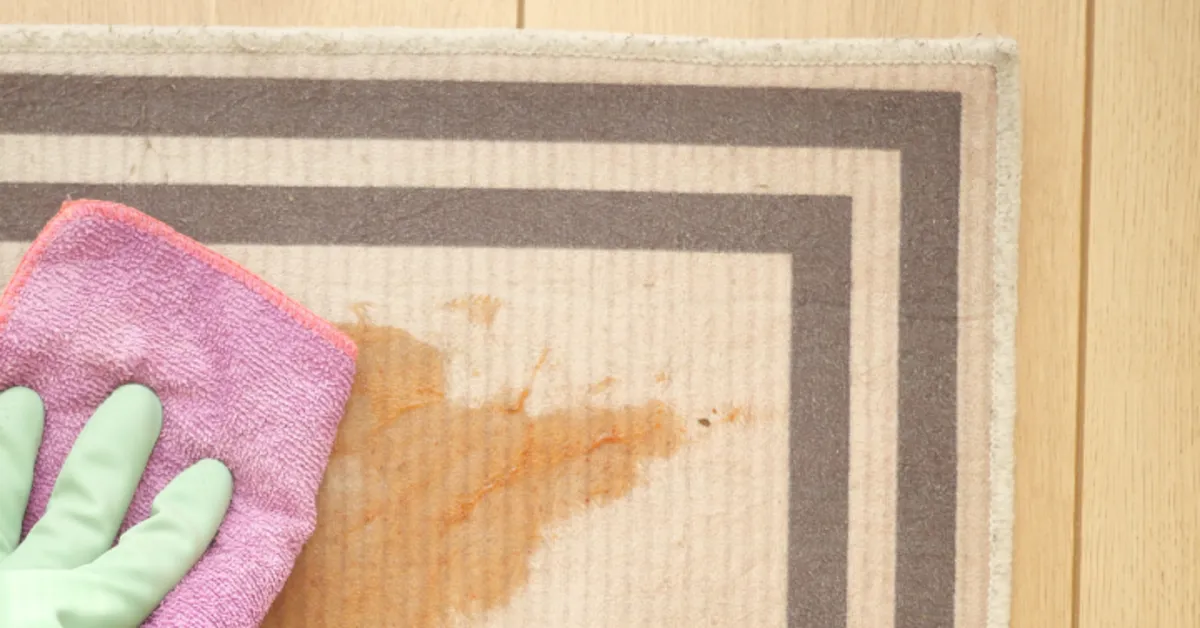
If an elderly person at home accidentally falls, family members, in their anxiety to help them up, often reach for Chinese herbal medicine oils (such as White Flower Oil, medicinal wine, etc.) to massage and soothe the senior. In this tense and chaotic situation, a half-full bottle of medicinal oil is easily knocked over, seeping directly into the thick carpet of the living room or bedroom. Not only does a large dark oil stain appear immediately on the carpet, but that strong, unique medicinal smell quickly permeates the whole house. Facing this sudden situation, many homeowners are often at a loss; if they use the wrong cleaning method, they may easily cause the oil stain to spread even further. How should medicinal oil drops on a carpet be correctly removed? How can one thoroughly eliminate the lingering medicinal oil smell?
Why are Chinese medicinal oil stains so difficult to handle? Breaking down the crisis of oil and herbal pigment penetration in carpets.
Medicated oils are very different from common water-based stains; their main components typically include vegetable or mineral oil as a base, dissolving various herbal extracts, resins, and dark natural pigments (such as safflower and phellodendron). When these oily medicinal liquids drop onto a carpet, the situation becomes very tricky.
First, carpet fibers (whether natural wool or chemical fibers such as nylon and polypropylene) have extremely strong adsorption. Oil will quickly wrap around fibers and penetrate to the bottom layer of the carpet, and clear water alone cannot dissolve oil stains. Second, the unique volatile aromatic components and resins in traditional Chinese medicinal oils easily attach to fiber pores; as time passes and the oil oxidizes and dries, it not only makes the stain a stubborn yellowish-brown but also emits a strong traditional Chinese medicine odor that lingers. If handled improperly, not only is the carpet ruined, but the indoor air is also greatly affected.
What are the most common mistakes when removing medicinal oil? A comparison table to avoid damaging carpet fibers.
Facing sudden spills of medicated oil, many people often deal with it intuitively in a panic, but the result often worsens the situation. We have organized the following practical comparison table to help everyone avoid common misconceptions:
Cleaning error methods ❌
Actual negative impacts caused ⚠️
Smart and practical improvement strategies 💡
Scrub the carpet vigorously with hot water
High temperature causes oil to penetrate faster to the bottom of the fibers; rubbing hard will expand the area of the oil stain.
Use clean absorbent paper towel to blot and absorb surface oil by 'pressing'
Pouring large amounts of clear water or bleach for cleaning
Water cannot dissolve grease; bleach will even destroy carpet color and even corrode the bottom back.
Use neutral dish soap combined with degreasing solvent for spot treatment
Ignore odor blind spots and only care about surface cleaning
The surface looks clean, but deep residual medicinal oil causes the odor to continue to volatilize.
Use baking soda for deep odor absorption and neutralization
Through the comparison in the table above, it can be seen that when dealing with oil stains, you must never be in a hurry. Mastering the correct chemical properties and physical adsorption methods is key to solving the problem.
How to clear TCM oil stains on carpet step-by-step? Practical combat steps for efficient oil and odor removal.
To thoroughly remove traditional Chinese medicine oil stains without having to go through the trouble of replacing the rug, you must follow scientific steps for local treatment:
💡 Step 1: Rapidly press to absorb floating oil: Immediately take a thick stack of kitchen paper, gently cover the medicinal oil stain, and press down hard with your palm to absorb excess oil from the carpet surface and the shallow layer that has not yet fully penetrated. Avoid circular rubbing.
Appointment inquiry
Let us take a look at your carpet
Send item photos, dimensions, and district; let us provide you with cleaning recommendations and quotes.
⚠️ Step 2: Sprinkle with oil-absorbing powder to adsorb deep-seated grease: Sprinkle a thick layer of edible baking soda or cornstarch on the oil stain. These powders have excellent natural absorbent capabilities, which can slowly draw out the grease deep within the fibers. After letting it sit for about thirty minutes to an hour, vacuum up the powder.
✅ Step 3: Gentle degreasing solution localized cleaning: Add a few drops of neutral dish soap with strong degreasing power and a little white vinegar to warm water. Use a clean sponge to dip into the solution and gently press and wipe from the edges of the oil stain towards the center. After rinsing with water, use a dry towel to thoroughly absorb the moisture.
How to thoroughly get rid of strong traditional Chinese medicine odor? Small tips to eliminate residual home odors.
Even if surface oil stains have been successfully removed, the lingering smell of Chinese herbal medicine often remains deep within the carpet fibers. To thoroughly eliminate the odor, relying on opening windows for ventilation is often not enough; targeted deodorization measures need to be taken:
You can once again make use of the powerful deodorizing function of baking soda. After finishing cleaning and ensuring the carpet is completely dry, sprinkle a large amount of baking soda evenly over the area that was stained with medicated oil, use a soft brush to gently brush the powder into the carpet fibers, and let it sit overnight (about eight to twelve hours). Baking soda can effectively absorb and neutralize the volatile odor molecules of the medicinal materials. The next morning, just thoroughly vacuum up the baking soda, and the medicinal oil smell in the room will be greatly reduced. In addition, using an activated carbon air purifier or keeping indoor air circulating can also allow the home environment to quickly return to freshness.
Seek professional team help
Facing large-area medicinal oil spilled when an elderly person falls, or expensive and delicate pure wool carpets, if you find that relying on baking soda and cleaning agents at home cannot thoroughly remove deep oil stains and odors, rather than forcing treatment and causing carpet damage, it is better to hand the professional deep carpet cleaning work to our team. We have rich experience in local Hong Kong residential carpet cleaning and sterilization/deodorization, are familiar with the characteristics of various carpet materials, and can use professional high-temperature steam extraction and oil removal technology to provide you with meticulous and efficient solutions. When you hope to let your home environment return to clean and fresh as soon as possible, our professional team is always ready to provide you with the most suitable support to help you smoothly settle all cleaning problems.
Frequently Asked Questions (FAQ)
Q1: If medicinal wine or safflower oil drops on the carpet, is ordinary laundry detergent okay?
A: Although ordinary laundry detergent contains surfactants, it is often insufficient for emulsifying and degreasing the vegetable oil and resin components in traditional Chinese medicinal oil. It is recommended to prioritize using neutral dish soap with strong degreasing power or special dry cleaning agents; the cleaning effect will be more significant.
Q2: Why is there still a faint smell of Chinese medicine on the carpet after applying baking soda?
A: If the medicinal oil has penetrated too deeply, a single application of baking soda might not be able to completely eliminate all residual volatile components. It is recommended to repeat the overnight baking soda coverage once more, or use a carpet-specific deodorizer containing enzymes to break down the odor molecules.
Q3: If the carpet is wool material, what special attention is needed during cleaning?
A: Pure wool carpets are extremely sensitive to chemicals and temperature. Avoid using cleaners containing bleach or strong alkalinity when cleaning. Water temperature must also be kept at room temperature or lukewarm to avoid destroying the wool's natural oils, which leads to fiber stiffening or shrinking.
One Plus One Carpet Cleaning Expert
One Plus One Cleaning, a trusted carpet cleaning company. We are committed to providing high-quality and excellent carpet cleaning services for various types of residential, commercial, retail, restaurants, schools, medical centers, beauty salons, and fitness centers, leaving clients' carpets brand new, clean, beautiful, and comfortable. Welcome to request a quote or inquiry: Click to contact us on WhatsApp.
- Address: Room 16-17, 9/F, Nam Fung Commercial Centre, 19 Lam Lok Street, Kowloon Bay.
- Phone: 3188 1889
- WhatsApp:6928 9628
- 電子郵件:enquiry@opoexpert.com.hk
Welcome to contact us at any time, let us provide you with professional carpet maintenance service.